
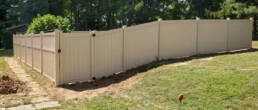
Choosing a new fence material is a big decision, and vinyl fencing has become one of the most talked-about options for homeowners in Beaver County. It promises low maintenance, long-lasting durability, and a clean, modern look, but is it actually worth the investment? Before you commit to a material, it helps to understand what vinyl fencing offers, what it costs, how it performs against our regional weather, and how it compares to the upkeep of other fencing options. Here is what Beaver County homeowners should know before making the decision.
What Makes Vinyl Fencing Different From Other Materials
Vinyl fencing is made from a durable PVC material that is engineered to resist the wear and tear that other fencing materials experience over time. Unlike wood, vinyl will not rot, splinter, or attract termites. Unlike metal fencing, it will not rust or corrode. This makes it a strong option for homeowners who want a fence that holds up well through Beaver County’s mix of humid summers and freezing winters.
The manufacturing process also plays a role in how vinyl performs over the long run. High-quality vinyl panels are built with UV inhibitors that help the material resist sun damage, which is part of why vinyl fencing tends to keep its color far longer than painted wood. The panels are also designed to interlock or connect at reinforced points, which adds structural strength without relying on nails or screws that can loosen or rust over time.
- Resistant to moisture damage and wood rot
- Will not rust, corrode, or develop metal fatigue
- Holds its color without needing to be painted or stained
- Available in multiple styles, including privacy, picket, and semi-privacy designs
- Built with UV-resistant materials to reduce fading over time
These qualities are part of why more homeowners are exploring vinyl fencing installation as an alternative to traditional wood or metal options.
The Upfront Cost of Vinyl Fencing in Beaver County
Vinyl fencing typically carries a higher upfront cost than chain link, but it is often comparable to or slightly higher than quality wood fencing once you account for the materials and labor involved. The total cost depends on several factors specific to your property and preferences.
Common cost factors include:
- The total length of fencing needed
- The height and style you choose, such as privacy versus picket
- Whether gates or additional access points are included
- The terrain and grading of your property
- Any site prep needed, such as removing an existing fence
It is worth noting that while vinyl carries a higher sticker price than some alternatives, the total cost of ownership often looks different once you factor in years of avoided staining, sealing, and repainting. A wood fence that seems less expensive upfront can end up costing more over a ten or fifteen year period once ongoing upkeep is added in.
Because every property is different, the most accurate way to understand your investment is to request a free estimate rather than rely on general pricing guides. Our team walks through your property in person so you get numbers based on your actual yard, not a rough average.
Vinyl Fencing in Beaver County’s Climate: What to Expect
Local weather plays a bigger role in fencing decisions than many homeowners realize. Beaver County sees a full range of seasonal conditions, from humid, sometimes stormy summers to cold winters with regular freeze-thaw cycles. Fencing materials react differently to these swings, and that difference shows up over time.
Vinyl is designed with a small amount of flexibility built into the material, which allows panels to expand and contract slightly with temperature changes rather than cracking under stress. This is particularly useful during the winter months, when ground movement from freezing and thawing soil can put pressure on fence posts and panels alike.
How vinyl typically holds up through the seasons:
- Summer humidity does not cause swelling or warping the way it can with wood
- Winter freeze-thaw cycles are less likely to crack panels compared to more rigid materials
- Heavy rain and snow do not lead to moisture absorption or rot
- Temperature swings have minimal impact on the fence’s overall structure
This makes vinyl a particularly practical choice for properties that see the full range of Beaver County’s seasonal weather over the course of a year.
Long-Term Maintenance and Durability
One of the biggest reasons homeowners choose vinyl fencing is the reduced maintenance compared to other materials. Wood fencing generally needs to be stained or sealed every few years to protect it from moisture and sun damage. Vinyl skips that step entirely, which can save both time and money over the years you own your home.
Typical vinyl fence upkeep includes:
- Rinsing with a garden hose or gentle pressure wash a few times a year
- Spot cleaning with mild soap and water for dirt or algae buildup
- Checking posts and panels after severe storms
- Making sure gates remain aligned and hardware stays tight
Because Beaver County experiences freeze-thaw cycles each winter, durability matters. Vinyl fencing is designed to flex slightly rather than crack under temperature changes, which helps it hold up better than more rigid materials over time. Many homeowners find that a quick seasonal check is really all it takes to keep a vinyl fence looking and functioning like new for years.
Vinyl Fencing and Your Home’s Value
A well-installed fence does more than mark a property line. It contributes to curb appeal and can be a selling point if you ever list your home. Vinyl fencing tends to maintain its appearance for years without fading or warping, which is appealing to future buyers who do not want to inherit a maintenance project.
Additional value considerations:
- Clean, consistent appearance across the entire fence line
- No need for future buyers to budget for repainting or staining
- Wide range of styles that can match different home exteriors
- A long service life that can outlast the time you spend in your home
If you are unsure how a vinyl fence style would look on your property, our vinyl fence gallery shows a range of completed installations for reference.
Is Vinyl the Right Choice for Your Property?
 Vinyl fencing is not the right fit for every homeowner, and it is worth thinking through your specific needs before deciding.
Vinyl fencing may be a strong fit if you:
- Want a low-maintenance option that does not require staining or painting
- Have pets or children and want a consistently solid barrier
- Prefer a clean, modern look that stays consistent year after year
- Plan to stay in your home long enough to benefit from reduced upkeep
You may want to explore other materials if you:
- Prefer the natural look and texture that only wood can provide
- Have a smaller budget and want the most economical option available
- Want a fence that can be easily repainted to match future design changes
Talking through your goals with our team can help clarify which material lines up best with your property and budget, especially if you are also weighing options like residential fencing more broadly.
What to Expect During Installation
Understanding the installation process can help you plan ahead and set realistic expectations for your project. Most vinyl fence installations move faster than wood, since there is no need to account for drying time or staining before the fence is ready to use.
General installation steps:
- An initial property walkthrough to confirm layout, height, and style
- Marking utility lines before any digging begins
- Setting posts at the correct depth for long-term stability
- Installing panels and gates once posts are properly set
- A final walkthrough to confirm everything meets your expectations
Depending on the size of the project and weather conditions, most residential vinyl fence installations in Beaver County can be completed within a few days. Larger properties or those with more complex layouts may take slightly longer, but our team will walk you through a timeline before work begins so there are no surprises.
Permits and property lines
Depending on your township, a permit may be required before installation, and some properties have specific setback requirements from property lines. Confirming property boundaries ahead of time helps avoid disputes with neighbors and ensures the fence is installed exactly where it should be. Our team can help you navigate these local requirements as part of the planning process, so you can move forward with confidence rather than running into surprises partway through the project.
Weighing the Investment: A Quick Checklist
Before making a final decision, run through these key points to confirm vinyl fencing is the right investment for your Beaver County property:
- Compare the upfront cost against the long-term maintenance savings
- Consider how the material will hold up through winter freeze-thaw cycles
- Think about how long you plan to stay in your home and the value it may add
- Review styles and heights that match your privacy and design goals
- Get a property-specific estimate rather than relying on general pricing
Common Questions About Vinyl Fencing
Can vinyl fencing crack in cold weather?
Quality vinyl is engineered to hold up well in cold temperatures, but extreme impact, such as a heavy tree limb falling on a panel, can still cause damage. Under normal winter conditions, vinyl fencing is built to handle Beaver County’s freeze-thaw cycles without cracking.
How long does a vinyl fence typically last?
With basic care, a vinyl fence can last for decades. Because it does not rot, rust, or require repainting, many homeowners find that vinyl outlasts the timeline they originally expected when they installed it.
Is vinyl fencing a good option for pools or pet areas?
Yes. Vinyl’s solid panel construction and resistance to moisture make it a practical choice around pools, and its smooth surface holds up well against pets who lean, scratch, or dig near the fence line.
Get Started With Vinyl Fencing in Beaver County
Vinyl fencing offers a strong combination of durability, low maintenance, and lasting curb appeal, making it a worthwhile investment for many Beaver County homeowners. If you are ready to see how it could work for your property, our team is here to help you compare options and find the right fit. Learn more about who we are and how we work on the C-Wright Construction difference page, or reach out today to request a free estimate and get a clear picture of what vinyl fencing would look like for your home.
Fence Tips, Trends, and Insights from C-Wright Construction
Stay updated with C-Wright Construction’s blog. Explore expert fencing tips, maintenance advice, and design trends to enhance your property’s security and curb appeal.
Like this article? Spread the word!
Related Posts

How to Maintain a Chain Link Fence Through Pittsburgh Winters
Keep your chain link fence winter-ready in Pittsburgh with these seasonal maintenance…

C-Wright Construction’s Guide to Fence Maintenance in Pittsburgh
Get expert fence maintenance tips for Pittsburgh homeowners from C-Wright Construction.…

Is Aluminum Fencing Worth It? What Cranberry, PA Homeowners Should Know
Wondering if aluminum fencing is worth it for your Cranberry, PA home? Explore the…